
How to fail an interview (and thus not fail it)
I may have been in the same company for my entire career so far (5 years), but that doesn’t mean I don’t have interview experience. If I had succeeded in those interviews, wouldn’t I have a different career path by now?
So how do you fail an interview? It’s such a counterintuitive question, since why would you want to fail it? But that was a question I asked myself before my most recent interview, which I proceeded to fail. So, here is what I did (or maybe didn’t do) and realised in hindsight to fail my most recent interview. (Also, I have been on an interview panel, so have done the judging part too).
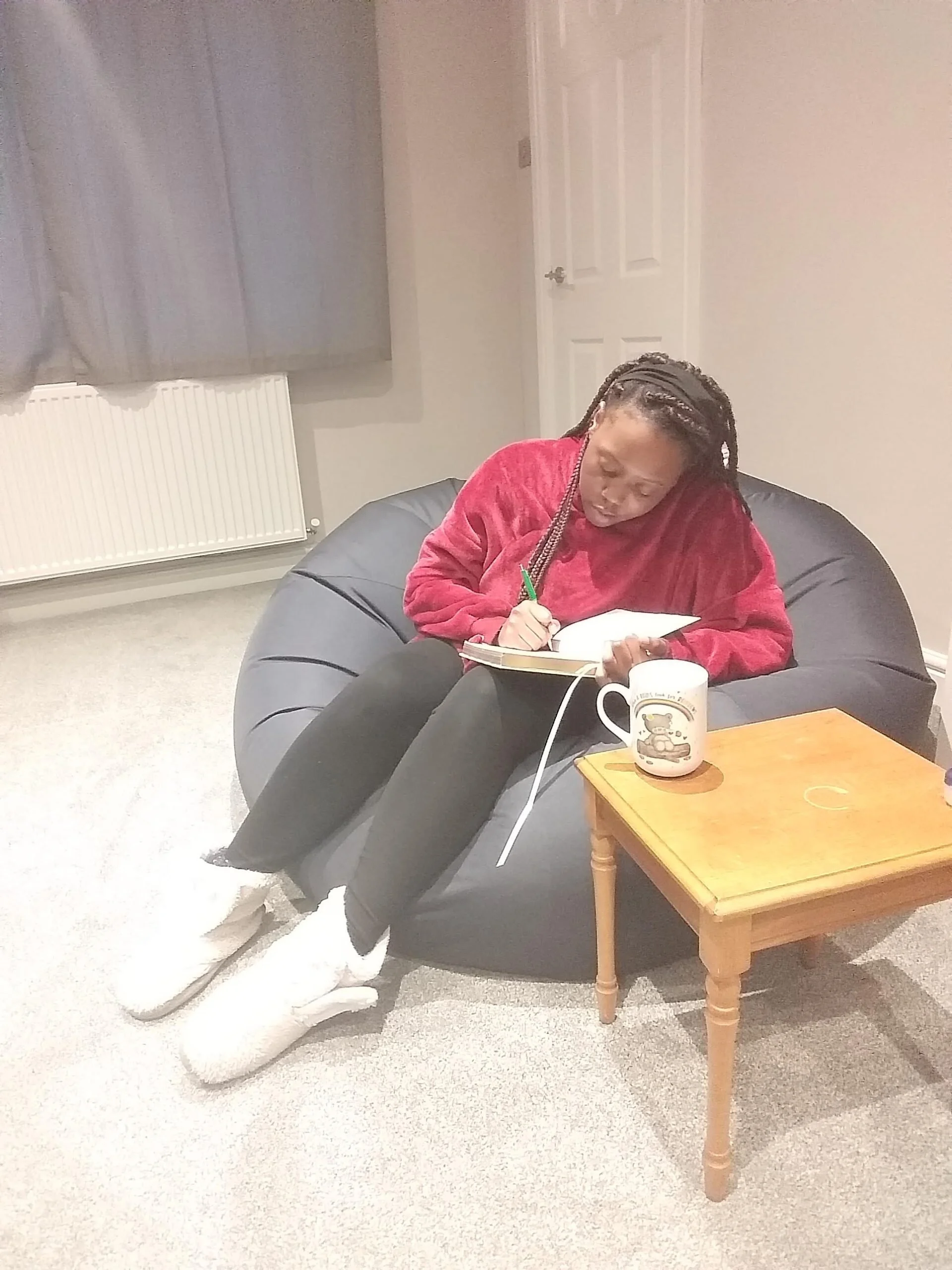
Taking notes on how not fail one
Preparation
You have to prepare for an interview, that’s a given. But you can prepare wrong. Which is exactly what I did.
I knew I had 1.5 weeks to prepare for an interview. I prepared on the day before and the hours leading up to it. But it wasn’t the lack of time that was the issue, it was what information I had prepared. Which was NOTHING.
I read up on key pieces of information about the work the team did. This helped me prepare questions for the interview (which highlight that you prepared for the interview). But I had not prepared ANY answers to showcase how competent I am at the job. Like I didn’t have much thought on my previous work experience and how it would be transferred to this job. I didn’t have a single thought about what kind of questions they could ask me, so I had 0 model answers prepared.
Do you know how that made me come across in the room? Too nervous to be considered.
Practise
You have to practise for an interview, and yes it might seem weird simulating an interview. But unless you are in that kind of situation all the time, your skills will get rusty. Not only that, but you’re also practising to be able to overcome your nerves, so you come across competent, confident and well prepared for the interview. Without practised answers, the interviewers think that you’re not ready to handle what they’ve got to give.
I hadn’t prepared to hold eye contact whilst being nervous. So, what I ended up doing in the interview, was looking up at the wall behind them, rather than at their faces and engaging them. I did not show confidence but instead gave them uncertainty that I was capable of doing the job (which I obviously can, because they saw my application and thought it was strong enough for an interview in the first place). I essentially came across as though I had catfished them. That’s crazy!
Headspace
Sadly, you can’t fully control the date your interview is on by a huge margin. They have strict timelines to follow, so if it’s going to be a bad week (if you know) or if the week is going bad leading up to it, you should do something about it. Not do what I did, which was NOTHING.
I entered a dark state of mind the week leading up to my interview. I had 0 motivation to do anything outside of work. I barely kept up with the blog, let alone interview prep. I barely talked to anyone in my life, and was very recluse. I have since realised that I have been in a state of ‘burnout’, but on top of that, ladies if you know you, I just wasn’t live laugh loving life on the week of the interview.
So, it’s good to keep an eye on how you are mentally on the lead up to the interview. Because you don’t want to sit in there, giving off a vibe of nonchalance, instead of confidence and calm.
TL;DR
- You can prepare for an interview, incorrectly.
- If you don’t practise how to answer questions, then you won’t answer the questions as well as you think you can
- Your headspace can affect how you perform in the interview
- So essentially do the opposite of what I did, and you will have more luck with interviews than I did. 🤣
