
Decision fatigue and weddings
It’s pretty clear this month’s posts are wedding themed, and I am keeping that going. Wedding, wedding, wedding, is the only thing on my mind right now, so it’s fitting. Good luck to my priorities if I were to get married, because this is my energy when it’s not even my wedding lol.
Decision fatigue – is it real or not? How can it have an effect on general adulting, especially when it comes to planning large events? And why does it occur?
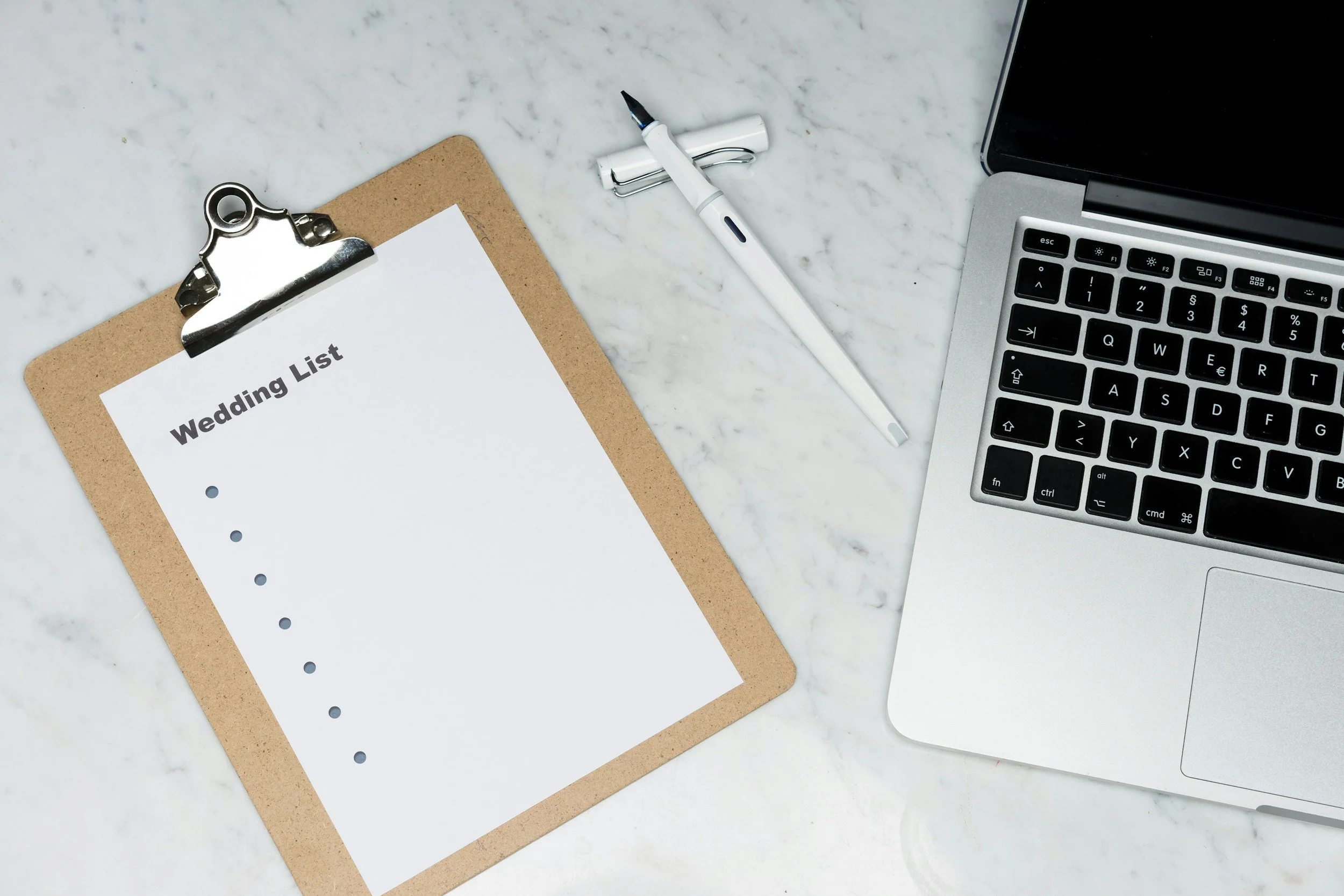
Thinking without getting tired of thinking
I guess it’s worth diving into the post and seeing what my thoughts on it are.
Is it real or not?
Depending on who you talk to, some people will think this is more fake than the idea of a unicorn existing. But me? It’s real for sure – and I know it’s real because I see it in my reality all the time.
As a child, a lot of decisions are made for you, especially daily ones. But as you grow, and the responsibility shifts from your guardians to you, on how you lead, live and exist in your life, more and more decision responsibility is put on you. This might seem great as a child, feeling like you have more control. But on top of school and hobbies, I think it’s a bit intense. Your brain is constantly running, and then responsibility is piled on top.
By the time you’re an adult, so many decisions need making, daily or even hourly, that by the time we encroach the end of the day, there is a sense of mental exhaustion that overrides a lot of sense. For example, I HATE (and I do mean that) thinking about what meals I am eating. This is because for me, I am making so many other decisions throughout the day. My job is brain demanding, rather than physically demanding, and staring at a computer screen all day does not help. So, by the time I get home, I do not have the energy to think of a nutritious meal idea, and then execute it. That is not physical exhaustion (which is normally a heavy/achy body feeling), this is the mental exhaustion of decision fatigue, because you don’t even have the energy to think. At that point, that’s where people might choose take-out, but since I am so stingy with money, I will just settle for bread and tea.
Planning events
Decision fatigue plays out in different ways depending on what you’re doing when it hits you. When planning an event like a wedding, it can manifest in overwhelm, such as not choosing to make a decision at all, or being dismissive and picking something just to get it over with. It doesn’t help that weddings need multiple decisions made, especially in the moments of peak wedding planning, where decisions are being made more frequently.
There is a difference between not being bothered about a choice, such as “who cares if the bouquet has violet flowers instead of blue flowers” and scrapping the flowers all together, just so you don’t have to make a decision. The latter is decision fatigue, and the former is prioritising. If you can sit and prioritise things whilst planning, then you are not in a decision fatigue slump. If for some reason, you feel a pressure to make a decision, but your brain and thoughts will not cooperate to make a decision, that is the fatigue kicking in, and it will only get worse the longer you keep trying to force a decision out of yourself.
Why does it happen?
It happens because as humans, we cannot be working at 100% efficiency all day every day. That’s impossible and not healthy to force yourself to try. As the day goes on, your brain gets more and more tired (hence why we should be feeling the need to fall asleep at night – though that is not the case all the time). With this added exhaustion throughout the day, it makes it harder to think, solve problems and make decisions. You could just say decision fatigue is a symptom of reduced cognitive function due to tiredness, which is fair. But it is real nonetheless.
Each time we use our brain to do something that isn’t a routine habit for us, it drains energy from our brain. And that kind of energy is regenerated through rest and sleep normally, and that’s kind of hard to get during the day when you’re awake and active. The more energy something requires, the less energy you will have later in the day, and thus the harder things feel to do, later in the day. It’s why when productivity is discussed it’s encouraged to consider doing the harder tasks earlier in the day, because your brain will have more energy, drive and motivation to actually tackle it.
Overcoming the fatigue during planning
So, I guess I have to loop this back to planning a large event like a wedding.
I mentioned in this post, that my bride is susceptible to being overwhelmed from too many choices when making a decision. It’s not directly decision fatigue, but choosing from too many options can make you reach fatigue faster. So, what I did to keep overwhelm at a minimum was to give her decisions with 2 options to choose from.
Another way to minimise decision fatigue, is trying to make the decisions earlier in the day. That’s not the case for everyone, but can be an option, or at least having a hard stop for planning. No need to stay up till 11pm, because are those decisions going to be reflective of how you really feel? But also, don’t try to make every decision in that moment. Maybe have 1 day to think about tablecloths, another day to think about little décor accents. Because trying to do as much as you can in one sitting, will lead to decision fatigue too.
Delegating decisions or outsourcing help can reduce the exhaustion coming from managing decisions along with other parts of wedding planning. Honestly planning a wedding is stressful enough, when you have enough time and money. So, try and help yourself, body and brain, by optimising how you make the decisions, during the planning process.
TL;DR
Decision fatigue is when your brain is too tired from the process and thoughts you have had in the day, to the point that it can’t make any sound decisions anymore, and it feels like you’re exhausted.
It can hinder the process of planning large events, such as a wedding, so you need to optimise for it, so then you don’t let your tired brain make decisions that awake you wouldn’t agree with.
There are some ways to try and plan for it/avoid it, such as not trying to condense the planning process in a short amount of time or delegating some tasks to others.
The key is not make wedding planning harder than it already is.
